

Key insights from 'A Future We Choose': advancing science-policy dialogue based on the GEO-7 report

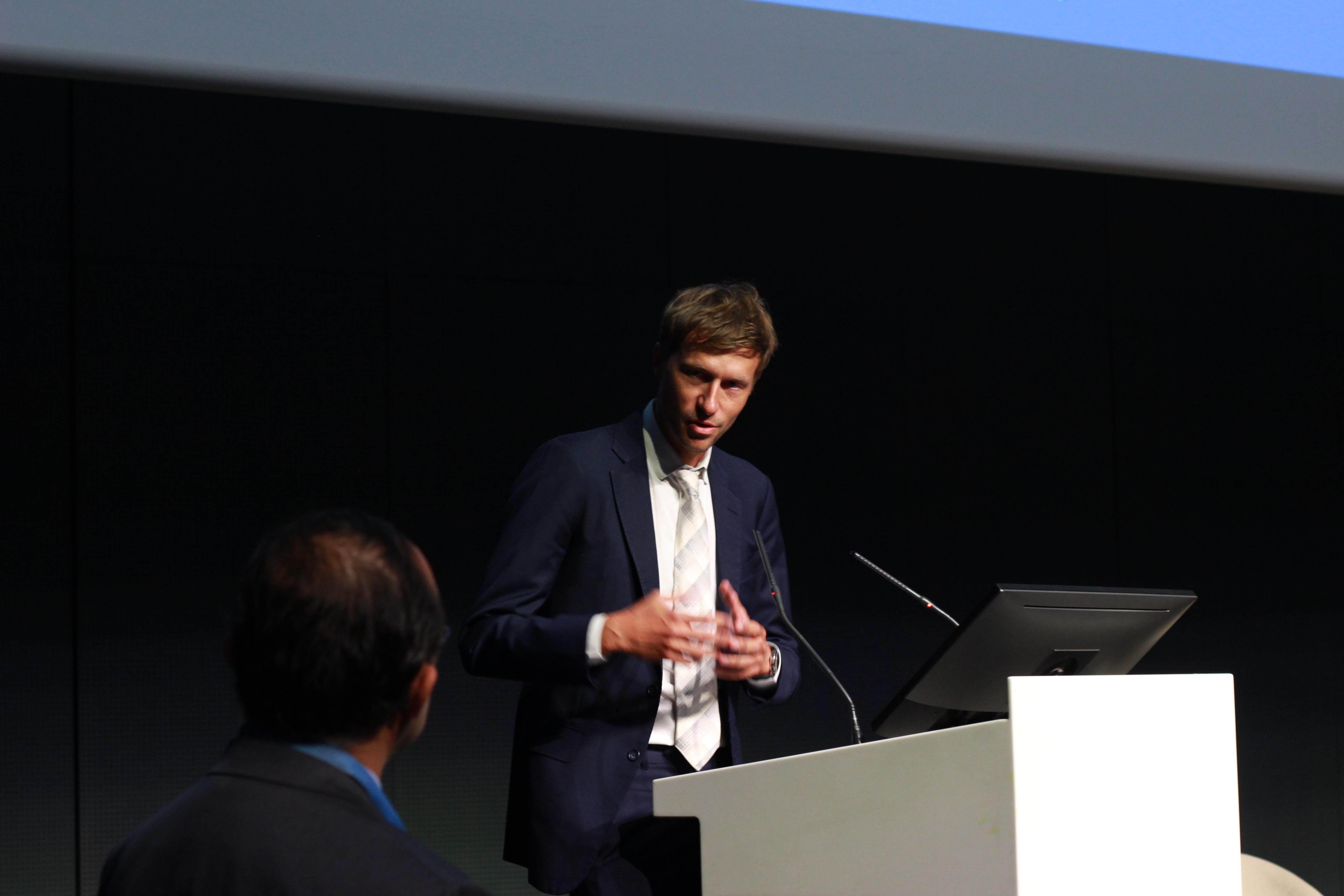
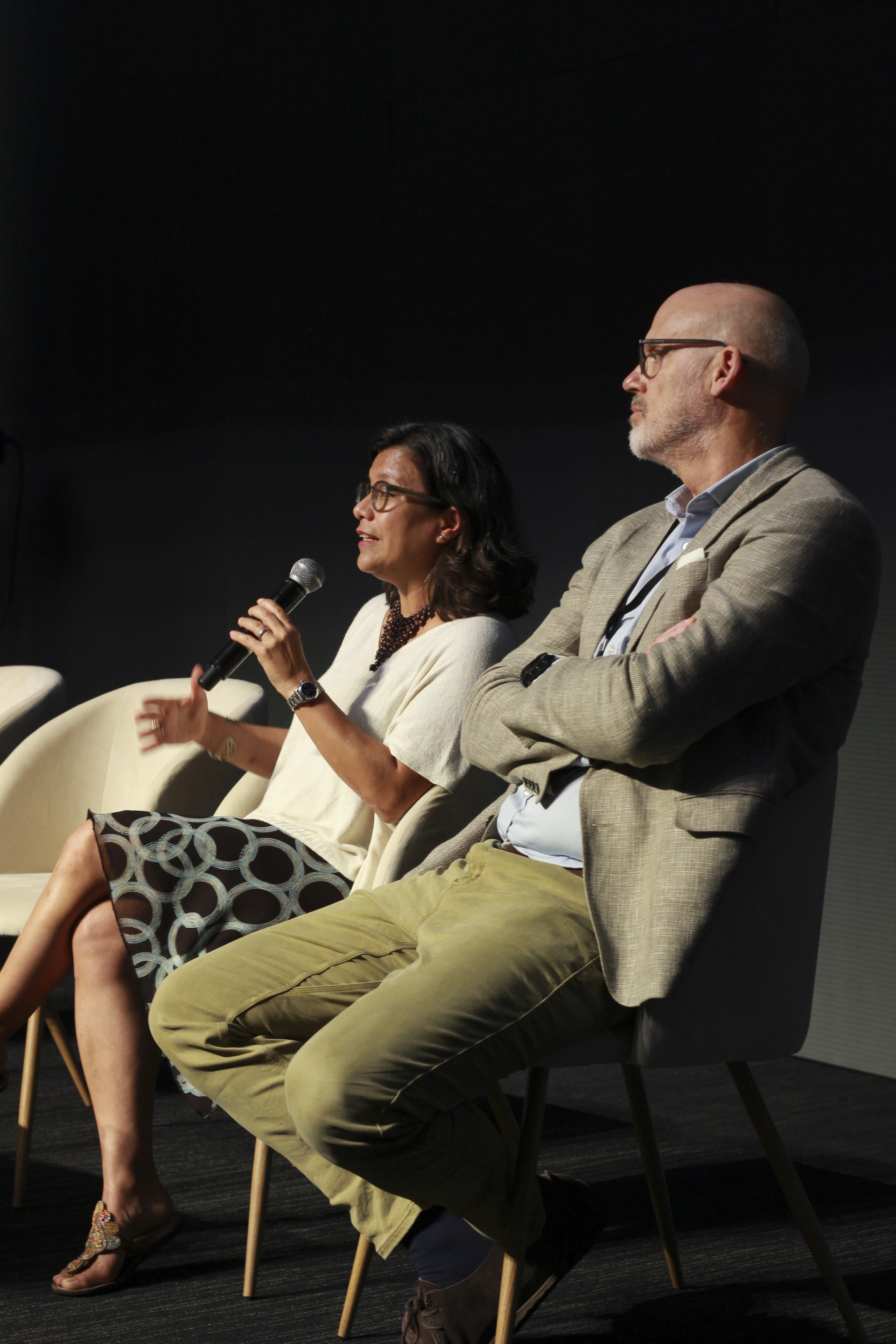
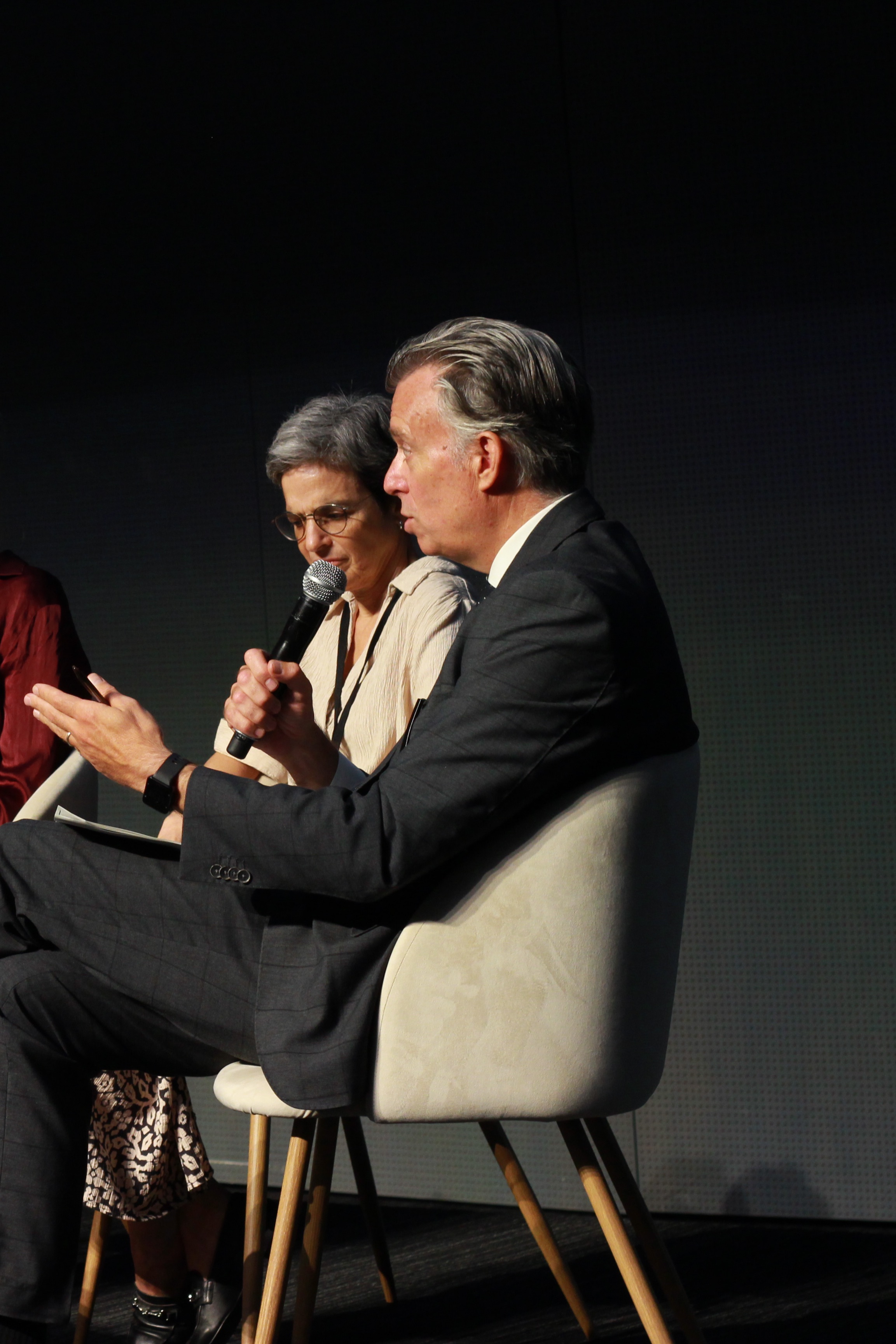
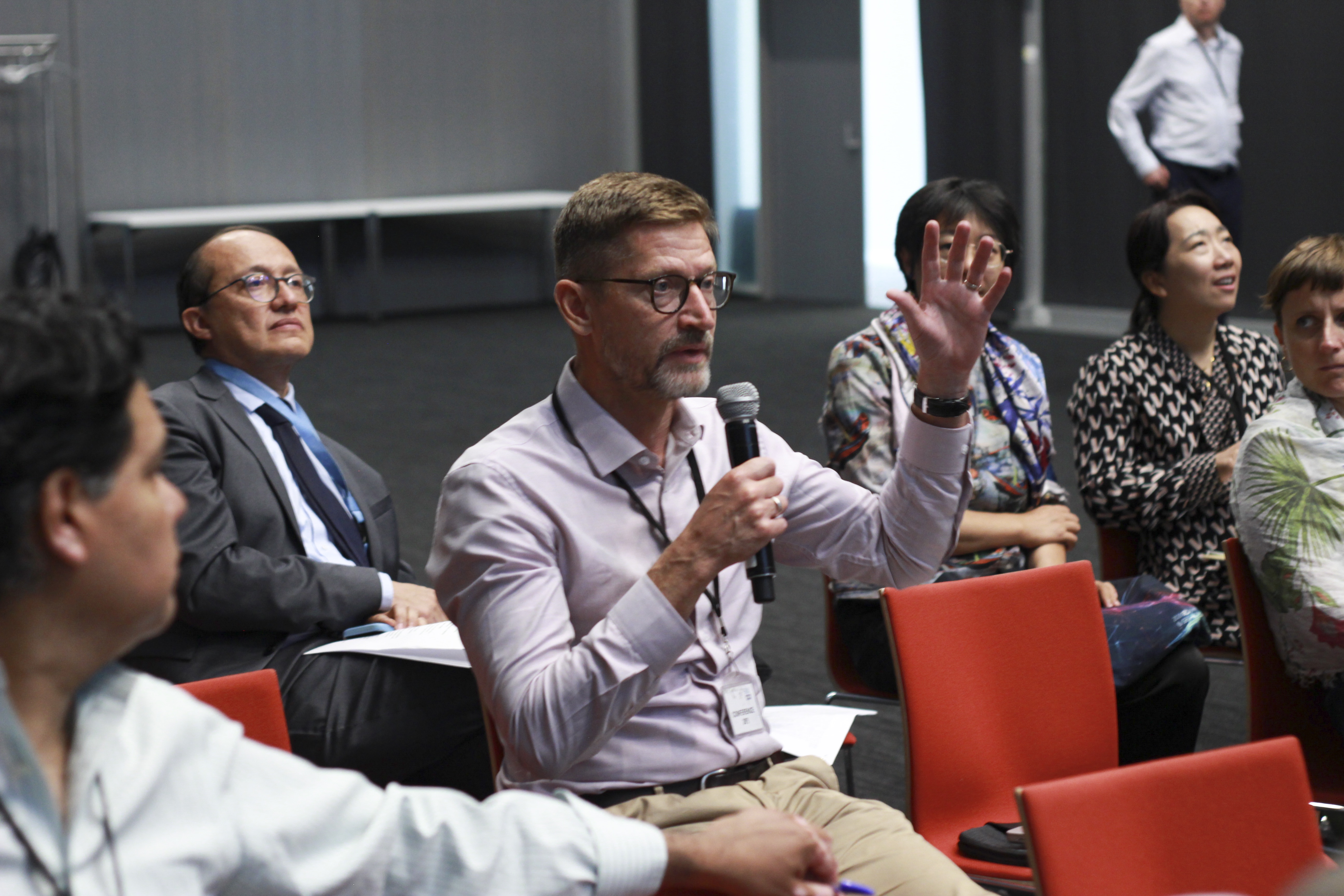
On 27 August 2026, the GSPI co-organised an event entitled 'A Future We Choose: Advancing Science-Policy Dialogue for System Transformations Based on the GEO-7 Report', together with the United Nations Environment Programme, the University of Geneva, the Geneva Environment Network, the Centre for Development and Environment (University of Bern), the Wyss Academy for Nature at the University of Bern and the Alliance of Bioversity International and CIAT (CGIAR)
The event brought together diplomats, scientists, UN agencies and civil society to discuss the seventh edition of the Global Environment Outlook (GEO-7), UNEP's flagship environmental assessment, launched at the Seventh UN Environment Assembly in December 2025.
GEO-7 is the result of three years of work by 287 experts from 82 countries and more than 800 reviewers. For the first time, it integrates Indigenous Knowledge and Local Knowledge directly into the assessment. The GSPI's role in the event was to help create a productive space for this dialogue, connecting the scientific findings presented in the report to the policy, finance and governance questions raised by delegates and practitioners in the room.
Key insights
Four environmental crises, one interconnected system
Climate change, biodiversity loss, land degradation and pollution can no longer be addressed separately. GEO-7 argues that international conventions and national ministries need to work across these issues together, since action on one system affects the others.
Transformation delivers benefits that far outweigh its cost
GEO-7 finds that investment in a stable climate, healthy nature and a pollution-free planet could generate economic gains reaching $20 trillion a year by 2070, rising to $100 trillion a year thereafter, while saving millions of lives.
Financing transformation requires new instruments
The panel on solution pathways discussed the mismatch between the long time horizons of environmental transformation and the shorter horizons of most financial instruments, and pointed to definable natural assets, blended finance and public de-risking as tools to close the gap and mobilise investment at the scale required.
Tackling the multi-crisis by transforming five systems
GEO-7 identifies energy, materials and waste, food, economy and finance, and the environment as the five provisioning systems that need to shift from unsustainable to sustainable configurations, through a combination of technology, behaviour change and governance reform.
Evidence alone does not create change
Several speakers returned to the same point, that policy-relevant information only matters when governments, businesses and societies act on it. Building trust between scientists and policymakers throughout the assessment process, not only at its conclusion, was described as central to whether GEO-7 translates into decisions and meaningful changes. Speakers also stressed the importance of protecting the integrity of scientific evidence, particularly when findings are politically or economically uncomfortable.
System change is a societal and political choice
GEO-7 makes clear that transformation is about more than technological solutions or policy measures. It involves changes in economic structures, consumption and behaviour, as well as questions of values, power and the distribution of costs and benefits. Speakers stressed the importance of bringing different parts of society into dialogue about the kind of food, energy and economic systems we want, and of building coalitions capable of turning these choices into action.
Local and city-level action can move faster than intergovernmental processes
Participants noted that, as seen with the Sustainable Development Goals, implementation depends heavily on local administrations, and that cities and municipalities can build coalitions and act more quickly than national governments constrained by short political cycles. Strengthening local implementation and city-level cooperation was therefore highlighted as an important pathway for accelerating transformation.
Speakers
Opening
Steven Stone, Deputy Director, Industry and Economy Division and Acting Director, Office of Science, UN Environment Programme
Sébastien Castelltort, Vice Rector for Research and Sustainability, University of Geneva
Sebastian König, Chief Scientist Environment International and IPCC/IPBES National Focal Point, Swiss Federal Office for the Environment
Nicolas Seidler, Executive Director, Geneva Science-Policy Interface
GEO-7: A Future We Choose
Robert Watson, Co-Chair, GEO-7
Henri Rueff, Principal Scientist, Alliance of Bioversity International and CIAT; Coordinating Lead Author, GEO-7
Sarah-Lan Mathez-Stiefel, Senior Research Scientist, Centre for Development and Environment, University of Bern; Coordinating Lead Author, GEO-7, Indigenous Knowledge and Local Knowledge
Panel: Tailoring solution pathways for system transformations
Sabin Bieri, Director, Centre for Development and Environment, University of Bern (moderator)
Miguel Luís, Counsellor, Permanent Mission of Portugal to the UN Office in Geneva
Eva-Marie Meemken, Assistant Professor, Department of Environmental Systems Science, ETH Zürich
Isabel Martínez, Deputy Executive Secretary, Basel, Rotterdam and Stockholm Conventions
Maximilian Martin, Global Head of Philanthropy, Lombard Odier
Dario Liguti, Director, Energy, Housing and Land Management Division, UN Economic Commission for Europe
Conclusions: strengthening science-policy cooperation
Géraldine Pflieger, Professor of Urban and Environmental Policy, University of Geneva
Fernando Espinosa Olivera, Deputy Permanent Representative of Mexico to the UN Office in Geneva
Agenda
1. Opening remarks
2. GEO-7: A Future We Choose, presentation of findings
3. Panel discussion: tailoring solution pathways for system transformations
4. Open discussion with participants
5. Conclusions: strengthening science-policy cooperation
A closed-door workshop, 'Partnering for Change: Science-Policy Pathways for Systemic Transformation', followed the public event for invited practitioners from Swiss-based research institutions and Geneva-based multilateral and civil society entities.
The full event summary, speaker biographies and presentations are available on the Geneva Environment Network website.
Photo credit: Daria Vuistiner
The GSPI co-organised this event to open a space where the findings of GEO-7 could meet the questions decision-makers actually face, on financing, governance and implementation. This is the role the GSPI plays across International Geneva, promoting pathways between scientific assessments and multilateral policy processes so that scientific findings lead to action.
Download


More news

Now hiring: Strategic Communications & Engagement Lead

2024 Geneva Summer School: Science & Policy for environmental action
